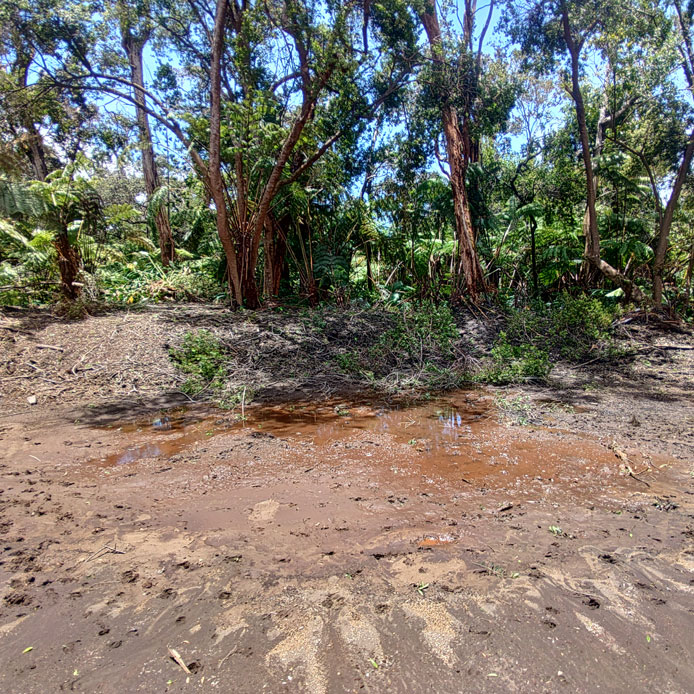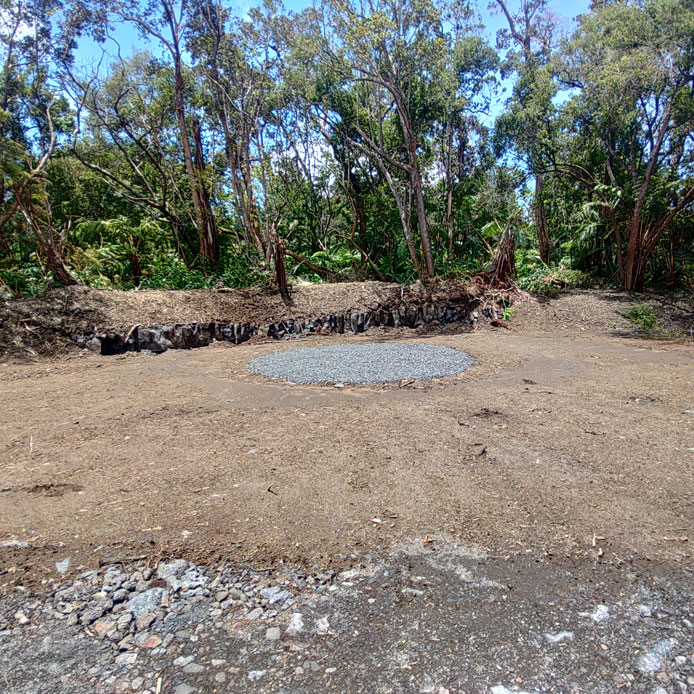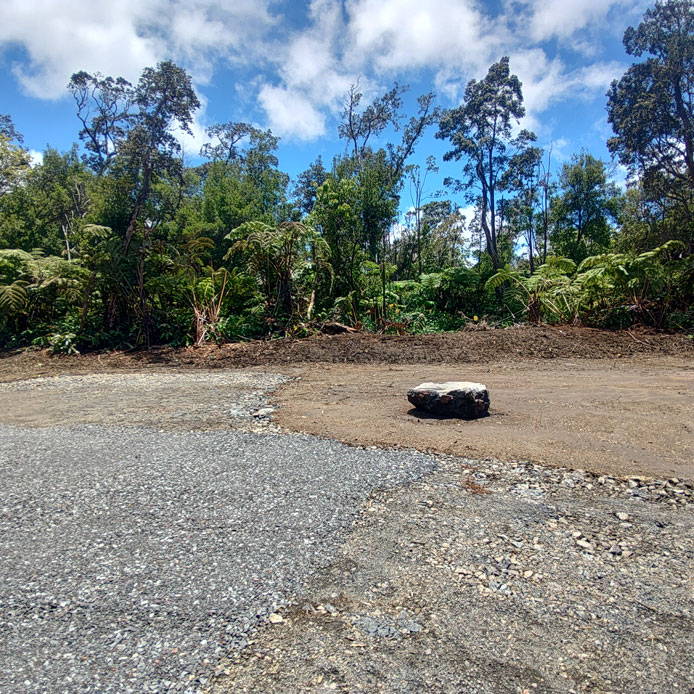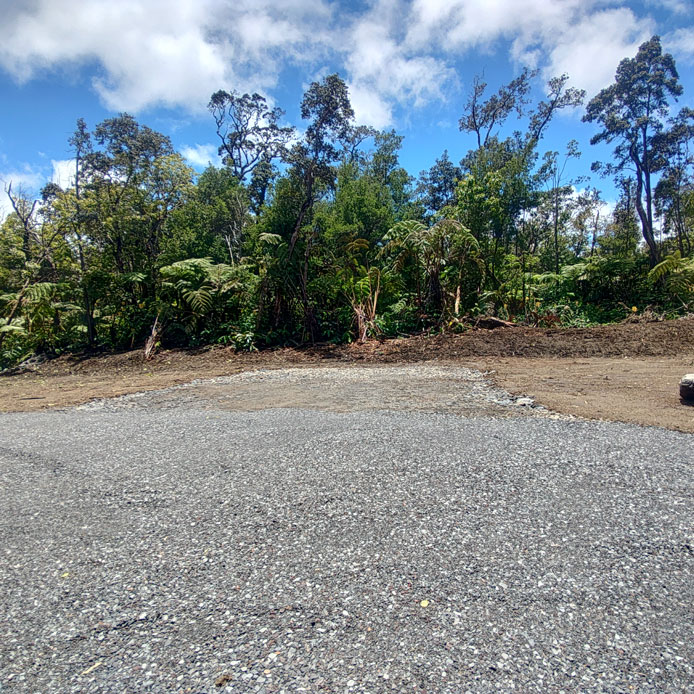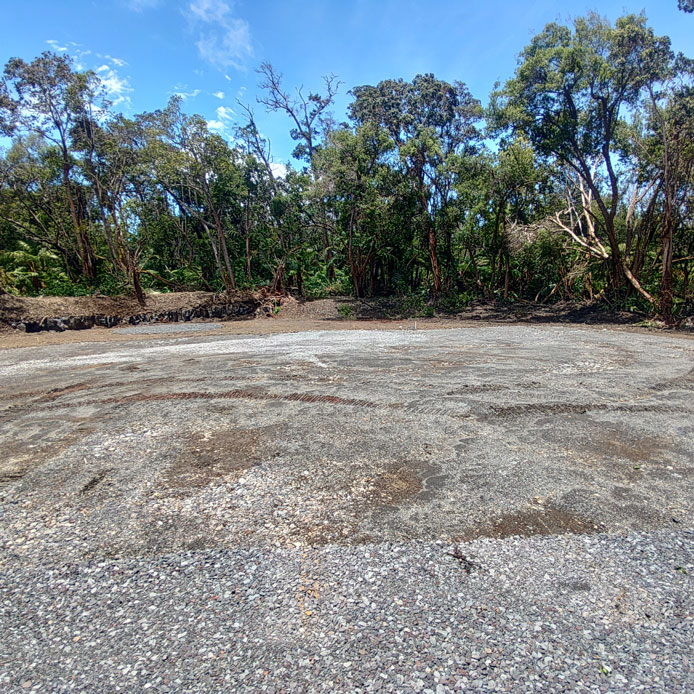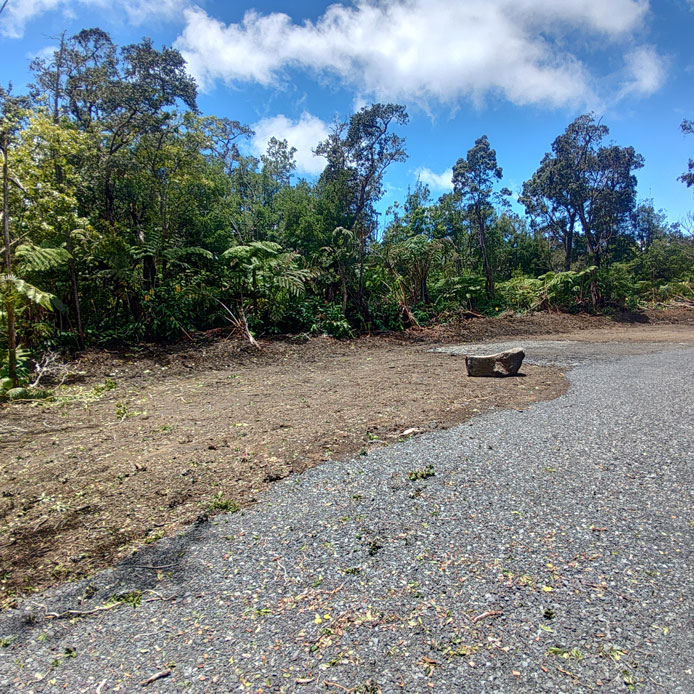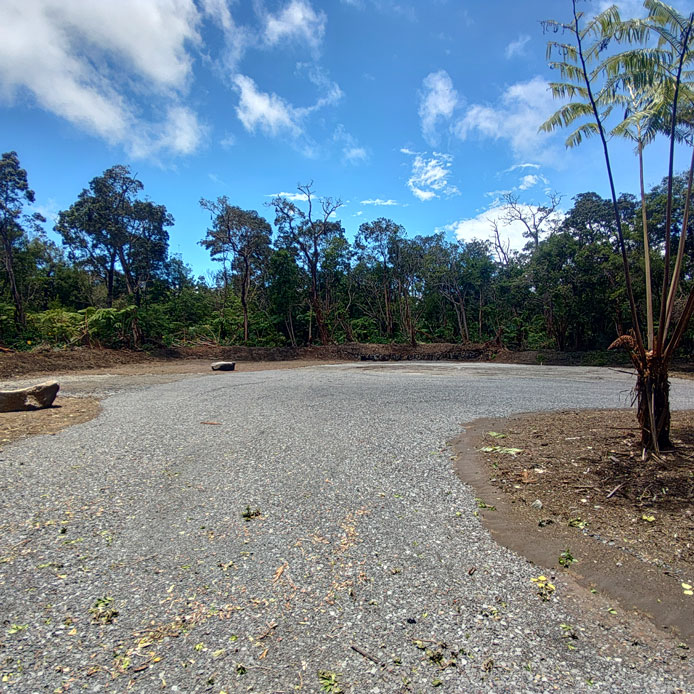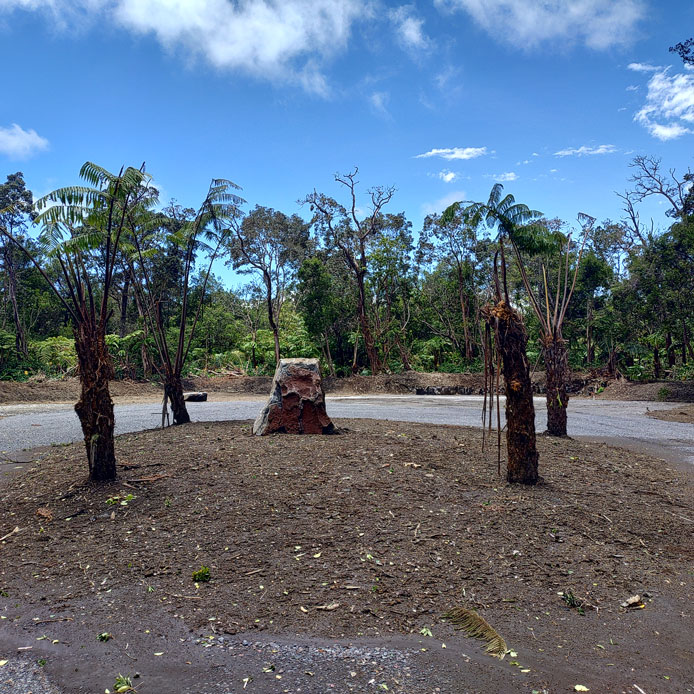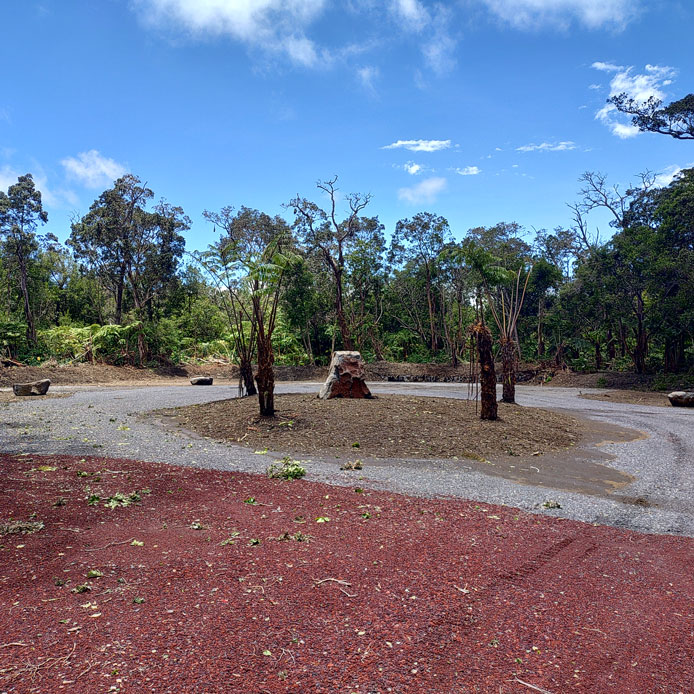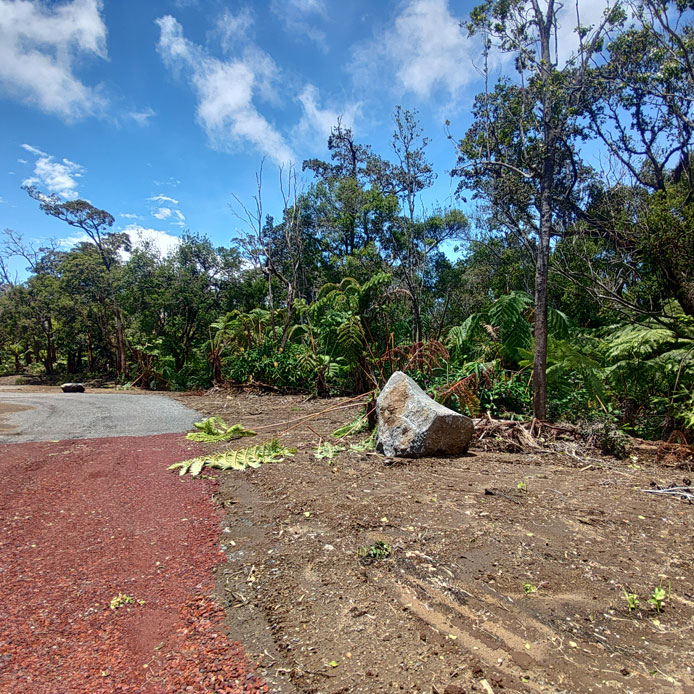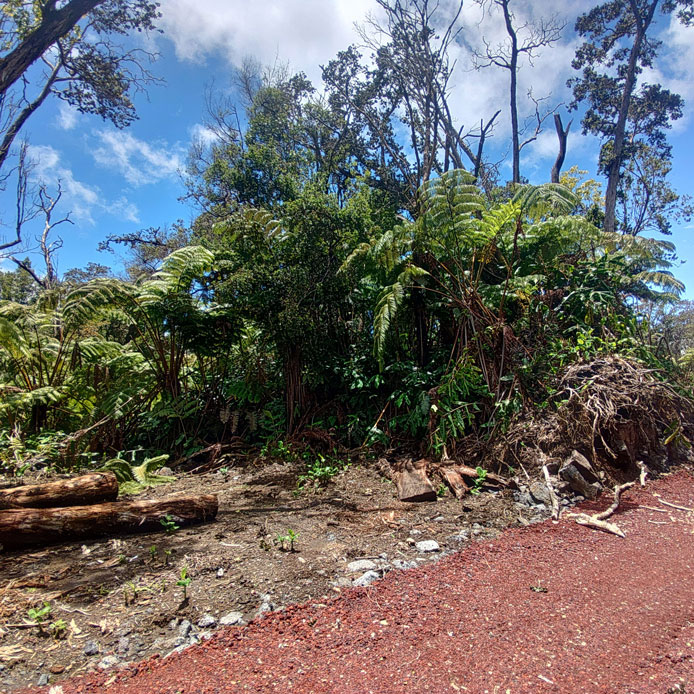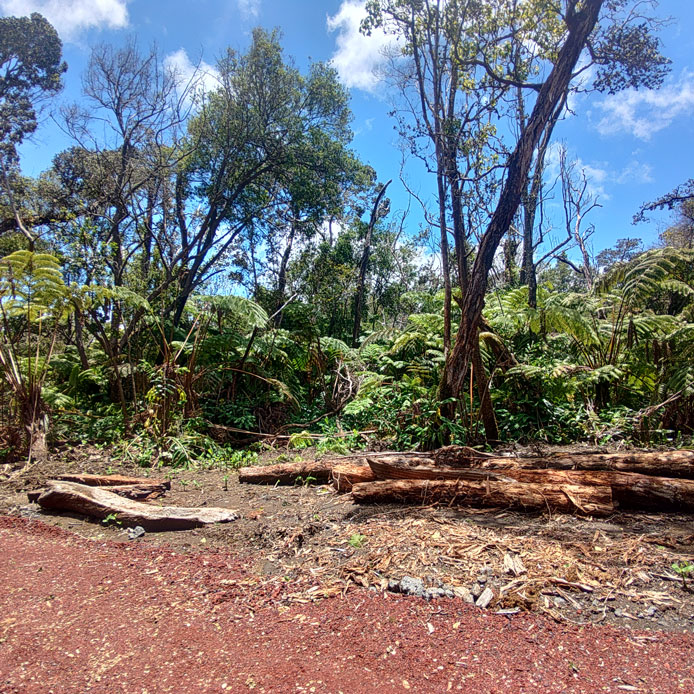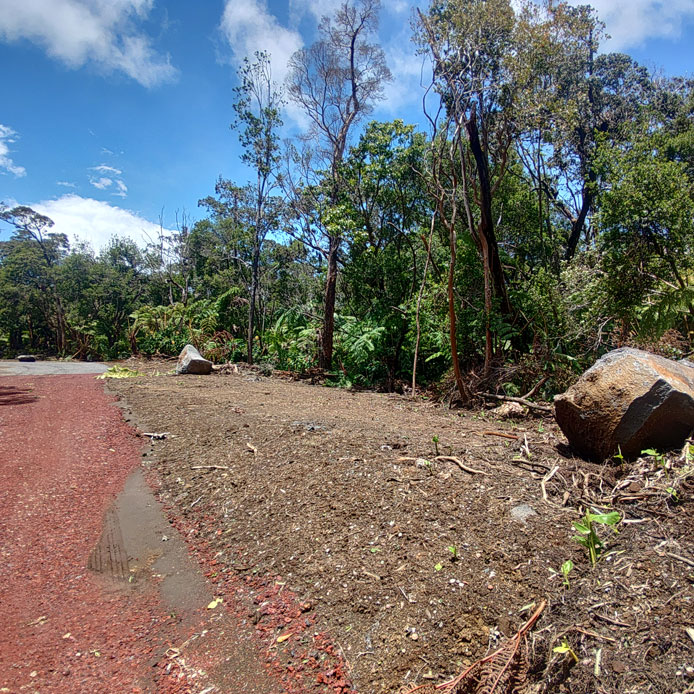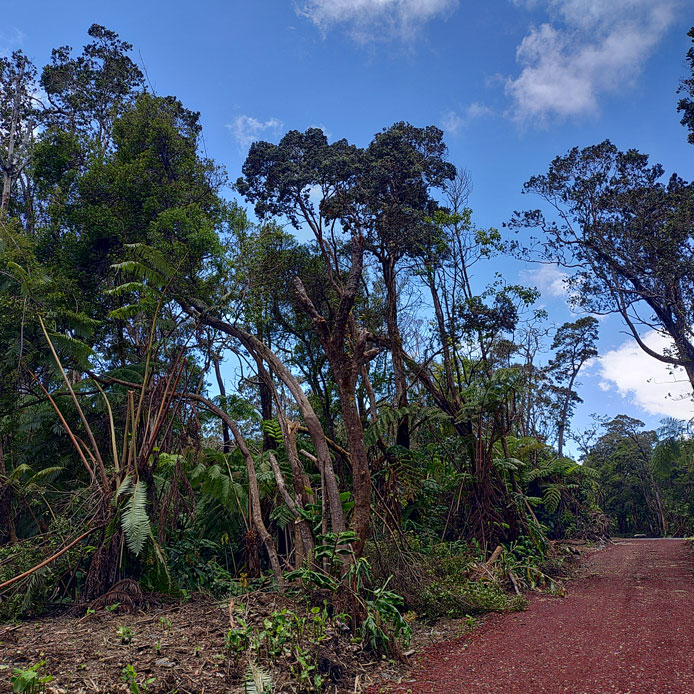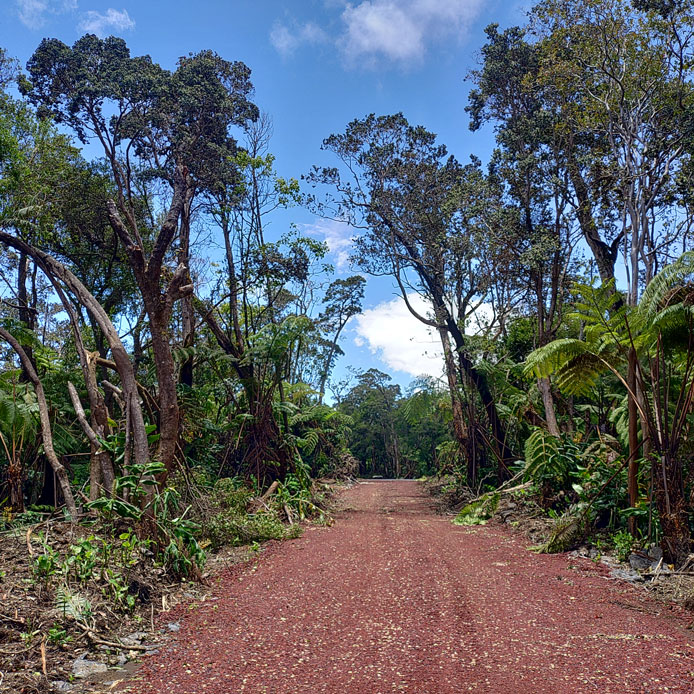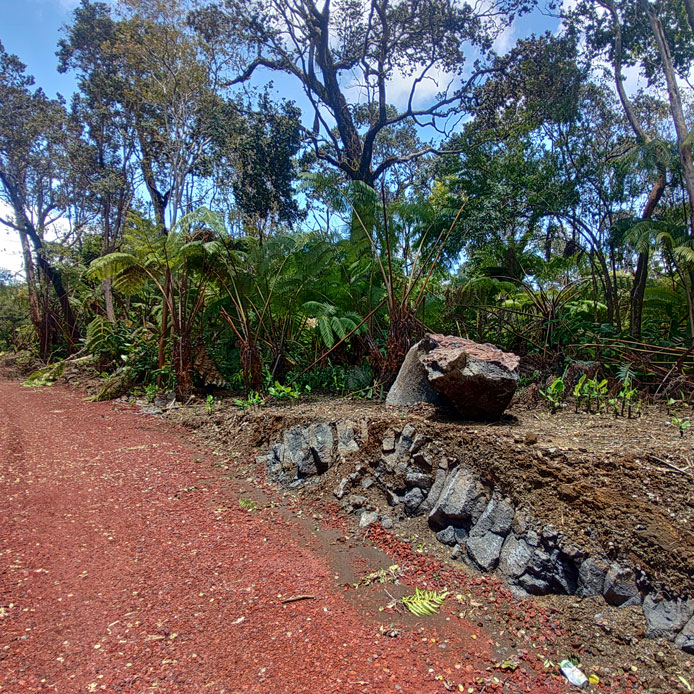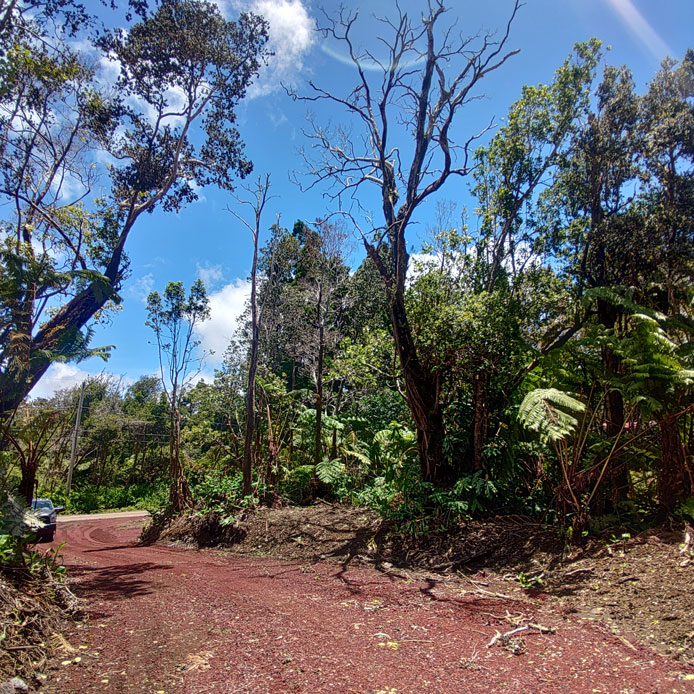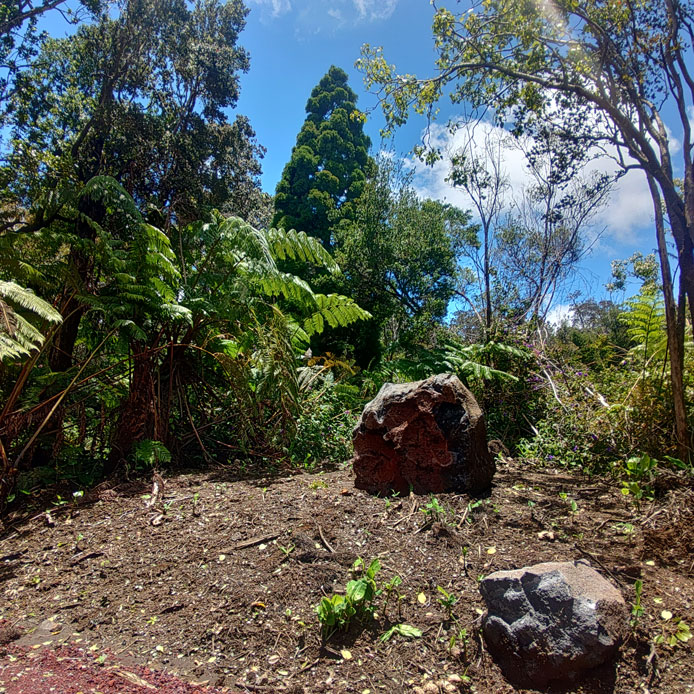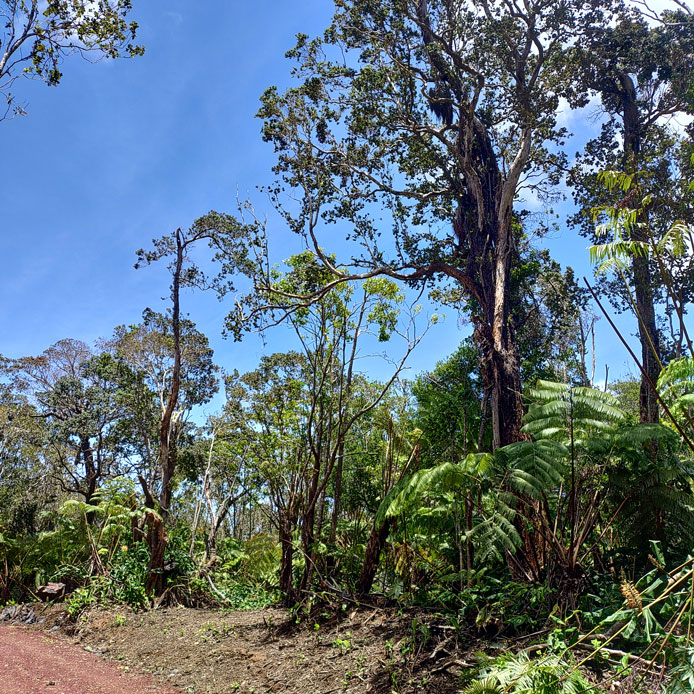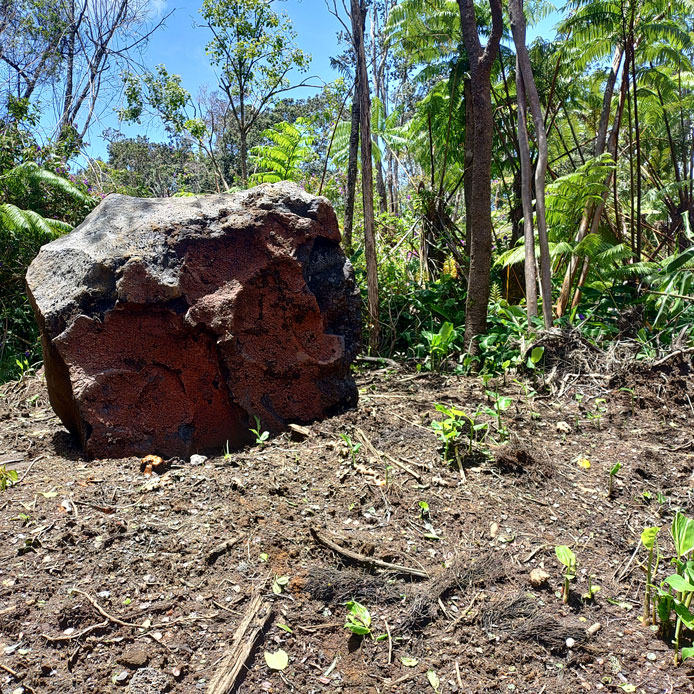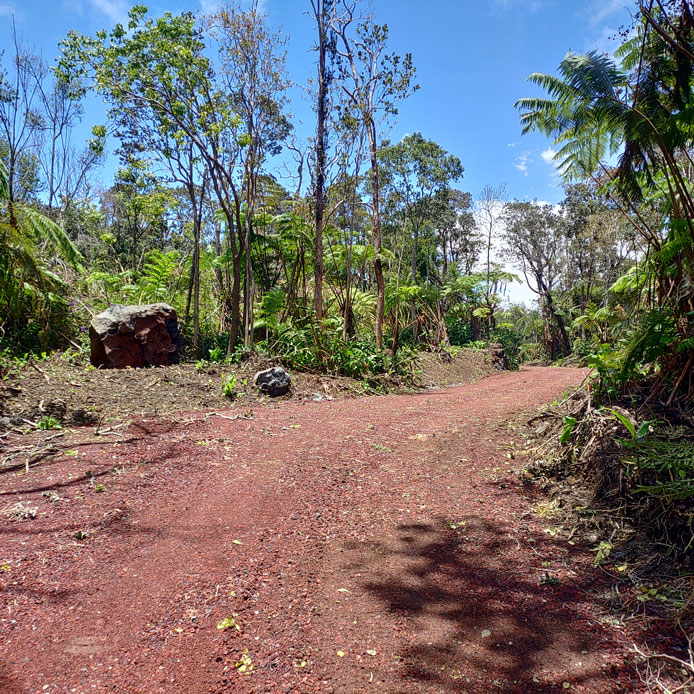
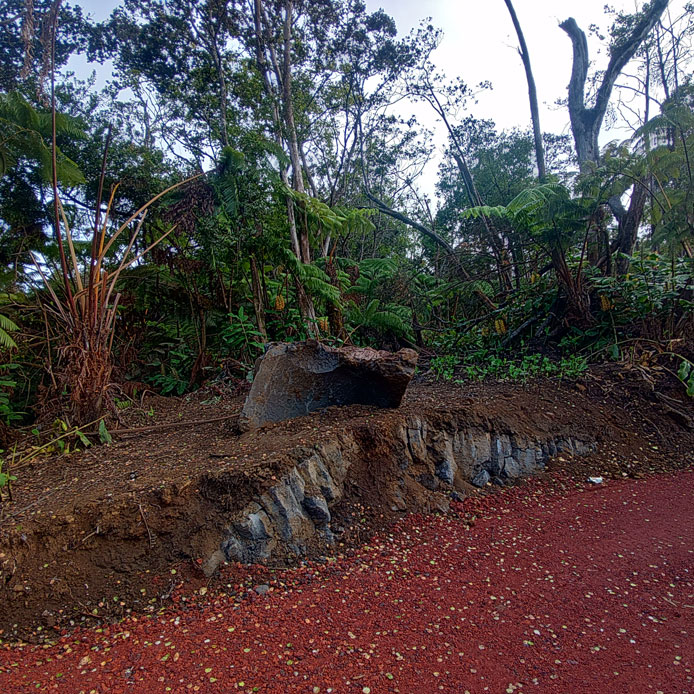
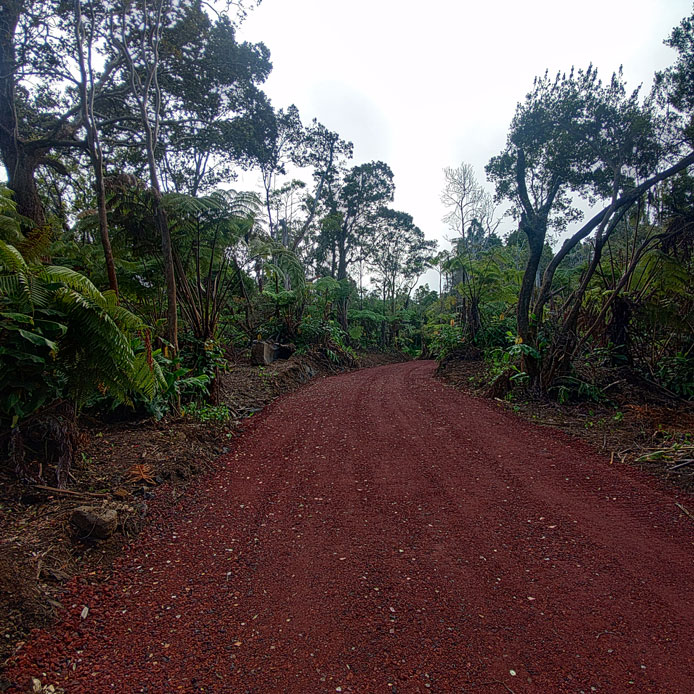
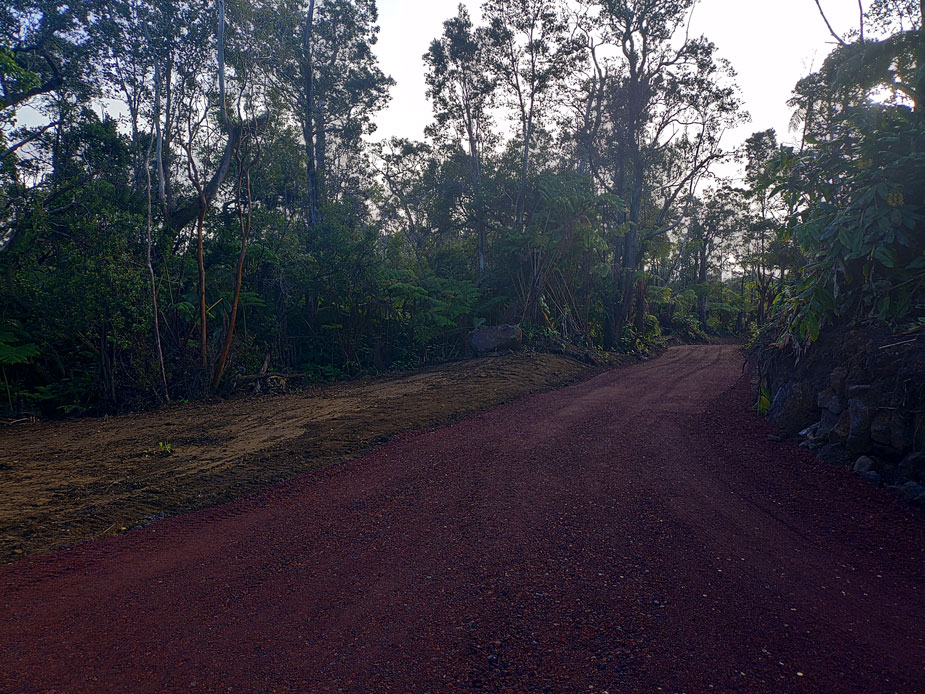
Huanani Road
The Frost! How beautiful!
"hau" (the frost) + "nani" (beauty)
Hawaii
Hawaiki
Home of the Elders
Water's Breath of Life
Akaniṭṭhagāmin,
Going to the Home of the Elders
You can hear there the quest and the thirst of the seeker and his joy at the sight of land. His journey may not yet be over, but this is his refuge for the time being.
§
The Plans
Rough sketches made before even the land was found.
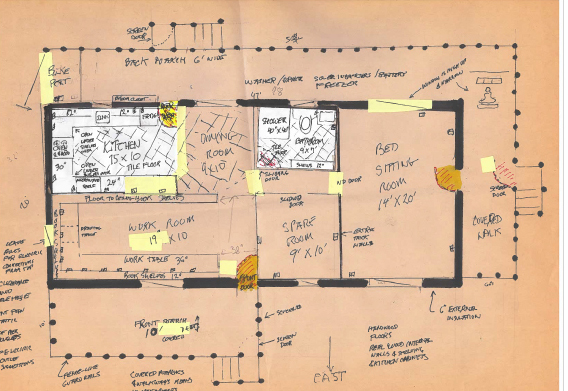
House Plan
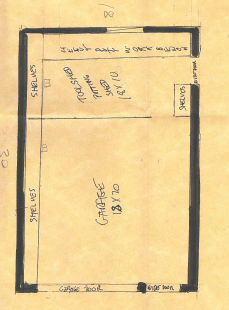
Garage Plan
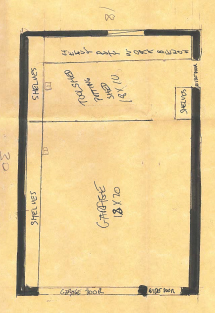
Guest-House Plan
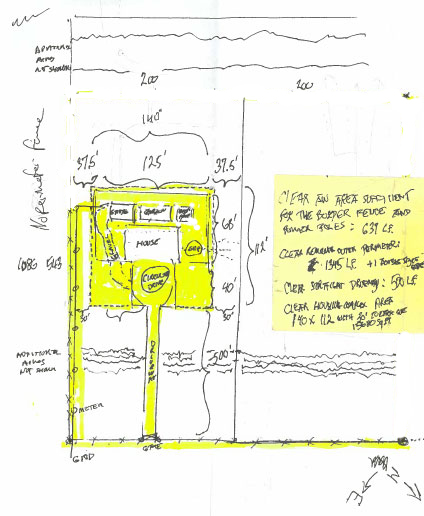
Groundwork Plan
GENERAL CONSIDERATIONS:
Cost: It should be done right, but not exageratedly so. Wood interior walls, but not the most expensive wood; hardwood floors but not the most expensive hardwood. fittings and appliances that will last.
Kitchen does not need cabinets; shelving will do. Low Maintenance
Real things, not immitations. No veneers, screens metal, not plastic.
Screens against flying insects
Noise reduction: Insulated outer walls; trees around house.
Screened front and rear decks, lockable doors, windows screened and lockable from the inside.
Good air flow: fans.
Water purification; strong flow? Hot water enough to take long showers.
Where Is It on the Map?

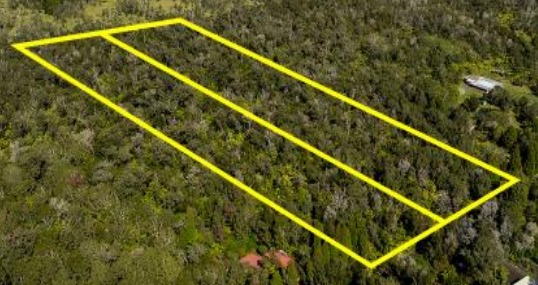
Ten Acres in Volcano
The Deed is Done
January 29,2026 the deed to the two lots is now in my name.
Just Out of Range — By Inches
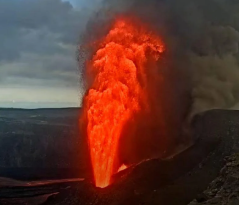
Eruption
Kīlauea volcano on Hawaii's Big Island is experiencing an active, episodic eruption within Halemaʻumaʻu crater as of late January 2026, with the 41st episode occurring on January 24. The eruption, which began December 23, 2024, features intermittent lava fountaining and poses hazards primarily within a closed area of Hawaii Volcanoes National Park, including tephra and "Pele’s hair" fallout.
Key Details on Recent Activity:
Current Eruption (Kīlauea): The 41st eruptive episode occurred on Jan. 24, 2026, featuring, lava fountains.
Activity Pattern: The eruption is characterized by short, intense episodes of fountaining followed by pauses of up to two weeks.
Hazards: Recent episodes have produced significant tephra and volcanic glass (Pele's hair) that impacted areas outside the park, including Volcano Village.
Location: The activity is confined to the summit caldera (Halemaʻumaʻu crater) within Hawaii Volcanoes National Park.
Forecast: Further episodes are likely, with another potential,42nd, event forecasted between February 10 and 20, 2026, based on ongoing inflation.
Quoted from Google's AI search.
Hazards:
This episodic eruption is occurring within a closed area of Hawai'i Volcanoes National Park.
Volcanic Gas: high levels of volcanic gas—primarily water vapor (H2O), carbon dioxide (CO2), and sulfur dioxide (SO2)—are continually released during an eruption. Emissions can remain locally hazardous in the areas immediately downwind of the vents, even when the vents are not actively erupting. SO2 reacts in the atmosphere to create vog (volcanic air polution) downwind. SO2 and vog may cause respiratory and other problems at high concentrations
Tephra: small glassy volcanic fragments—volcanic ash, pumice, scoria, and reticulite—are created by the lava fountains. Larger particles fall near the vents while light particles may be wafted greater distances. These particles may be remobilized during windy conditions following recent eruptive episodes. Residents and visitors should minimize exposure to these fragments, which can cause skin and eye irritation.
Close to the vents, the tephra material on the crater rim is prone to cracking, slumping, and small landslides that sometimes expose hot and molten material within.
Lava flows: on the floor of Halemaʻumaʻu crater and the southwest side of Kaluapele, Kīlauea's summit caldera, remain hot and may slowly move in the days immediately following an eruptive episode.
Other significant hazards also remain around Kīlauea caldera from Halemaʻumaʻu crater wall instability, ground cracking, and rockfalls that can be enhanced by earthquakes. This underscores the extremely hazardous nature of Kīlauea's caldera rim surrounding Halemaʻumaʻu crater, an area that has been closed to the public since late 2007.
Quoted from the USGS website.
So ... A Couple'a Changes to the House Plan
Cut-off valves between the garage and house rooftop catchment pipes
sprinkler system on rooftops
whole-house air purification system.
Survey
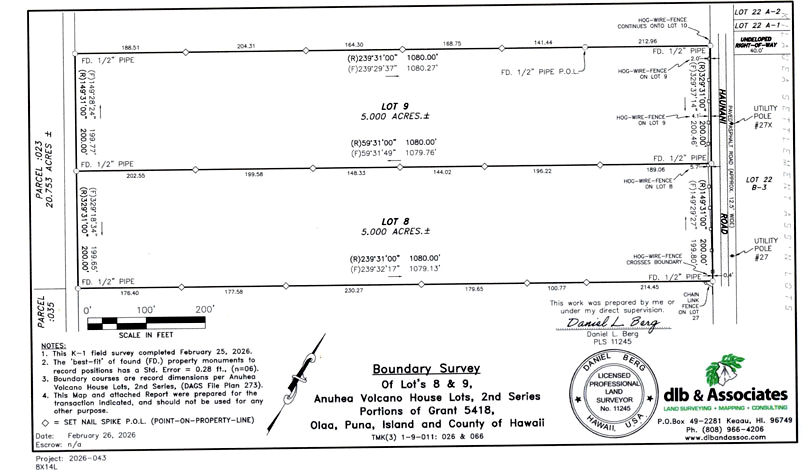
The survey
§
The Metta Sutta
(On Friendlyness)
In Pāḷi, English and Hawaiian
Obos'olm: [O.6.22.26] Monday, June 22, 2026
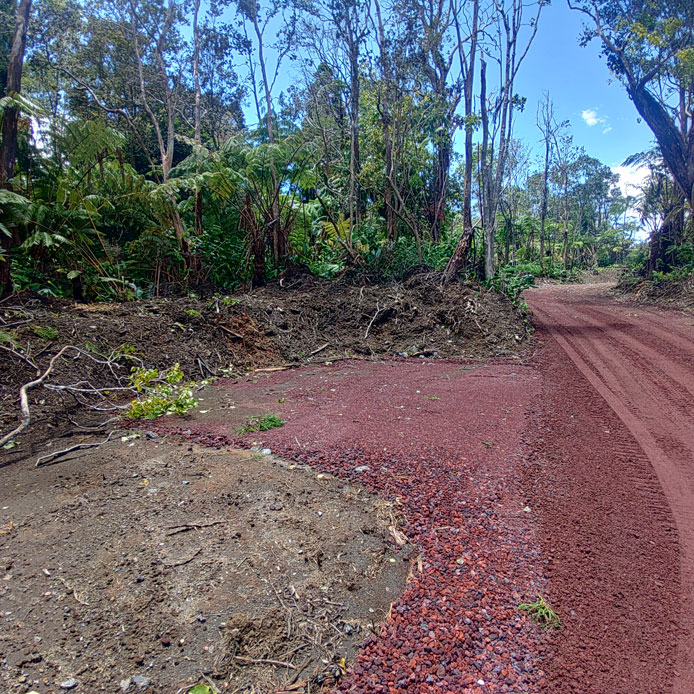
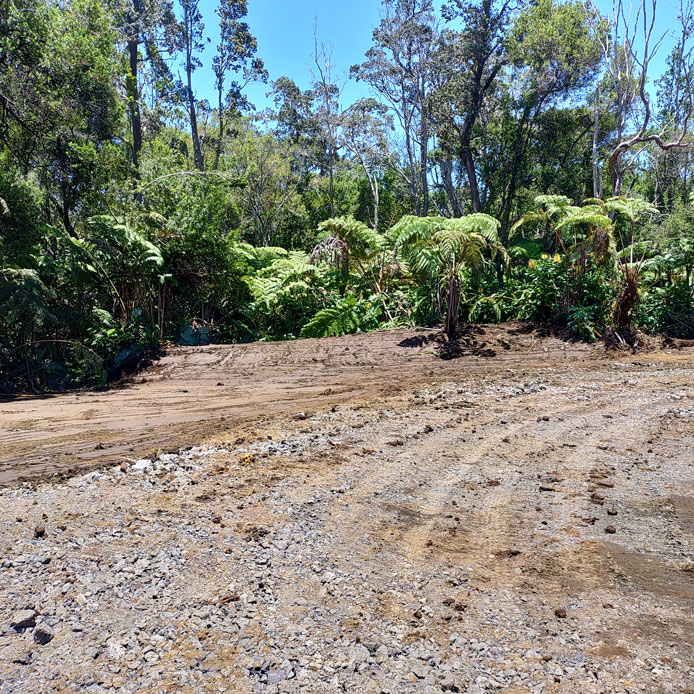
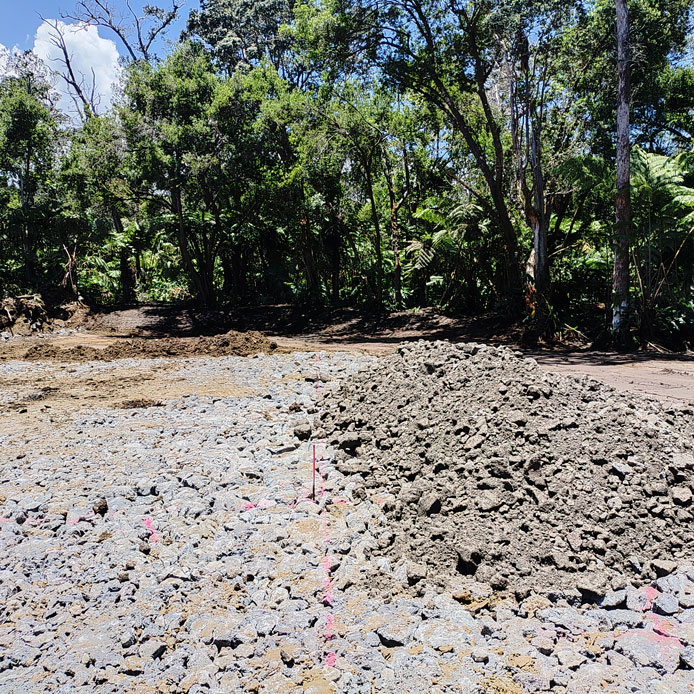
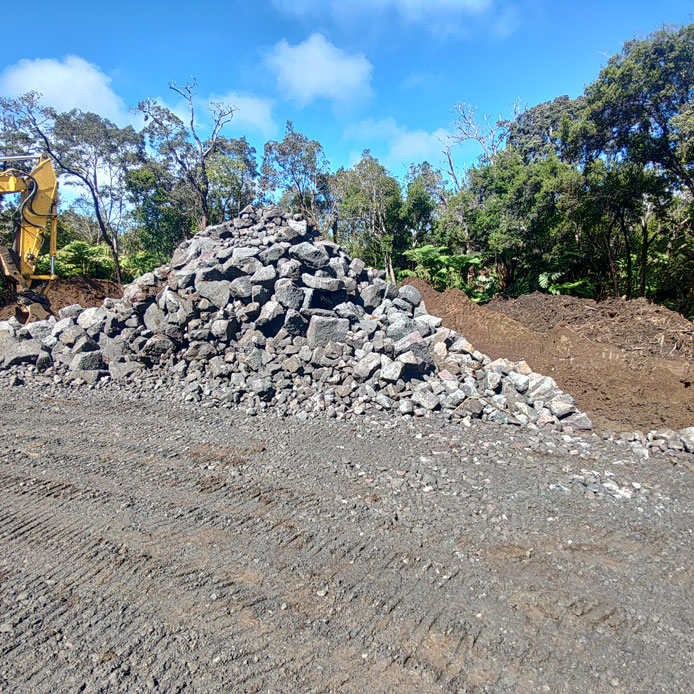
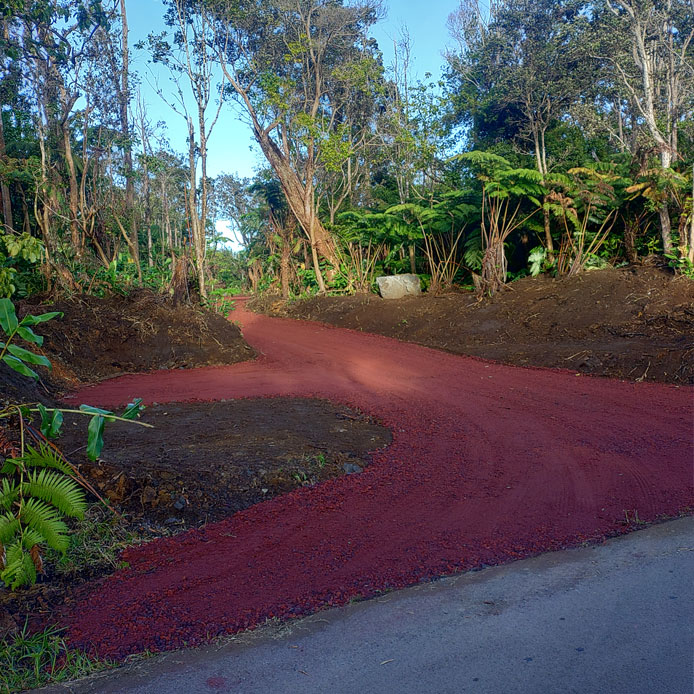
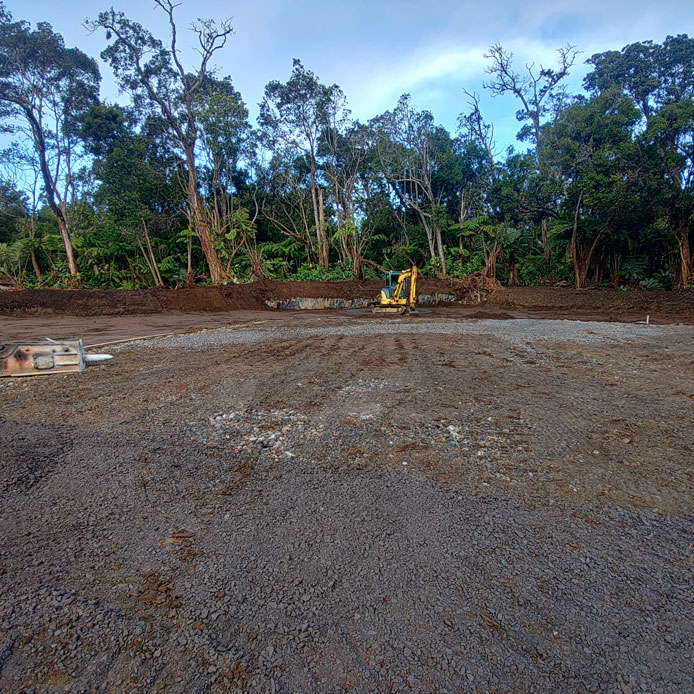
Groundwork Started
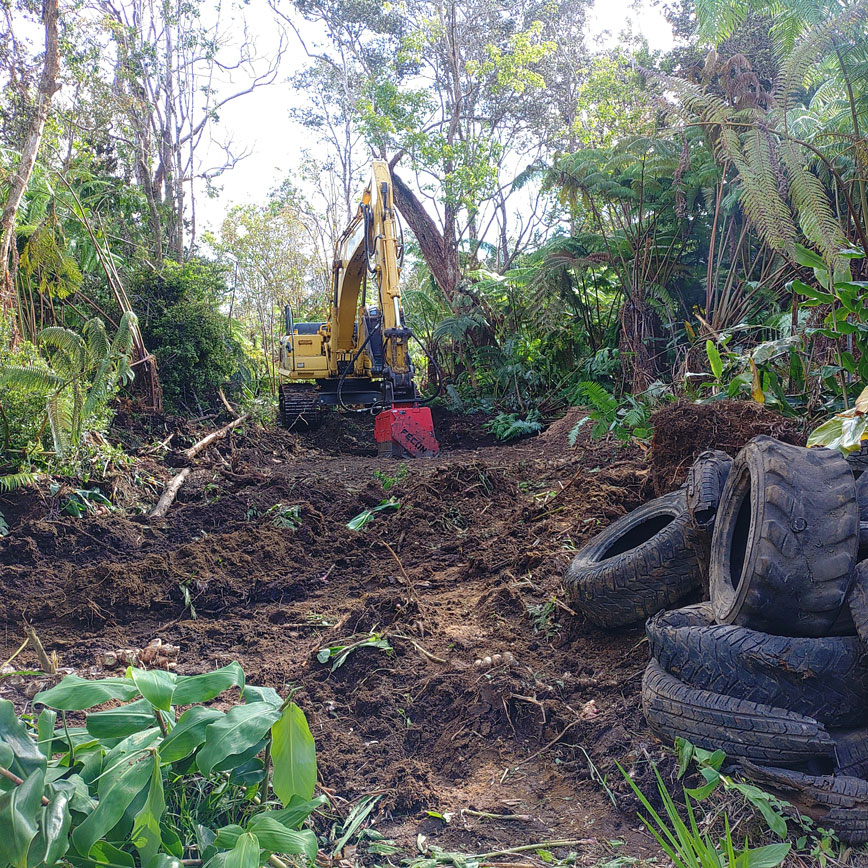
The tires are for protecting Hunani Road from the wear and tear of the big excavating machines going in and out
Obos'olm: [O.6.28.26] Sunday, June 28, 2026 11:57 AM
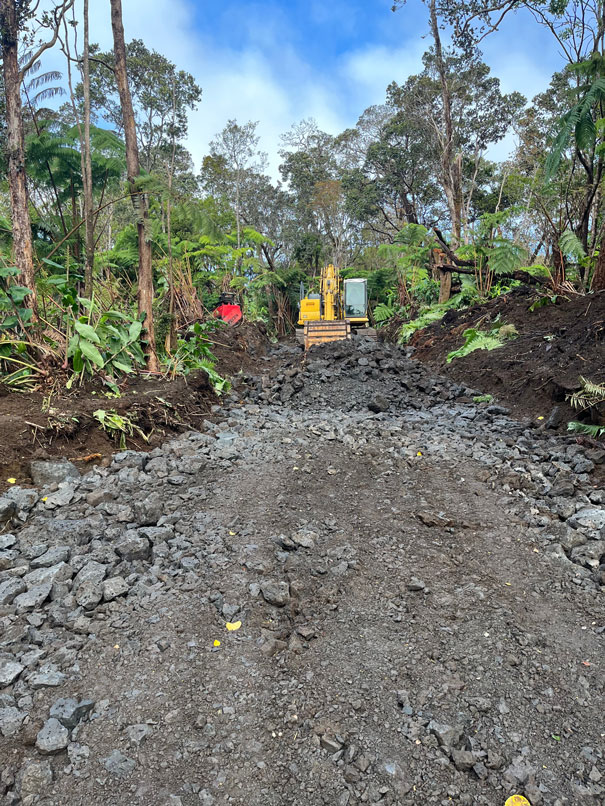
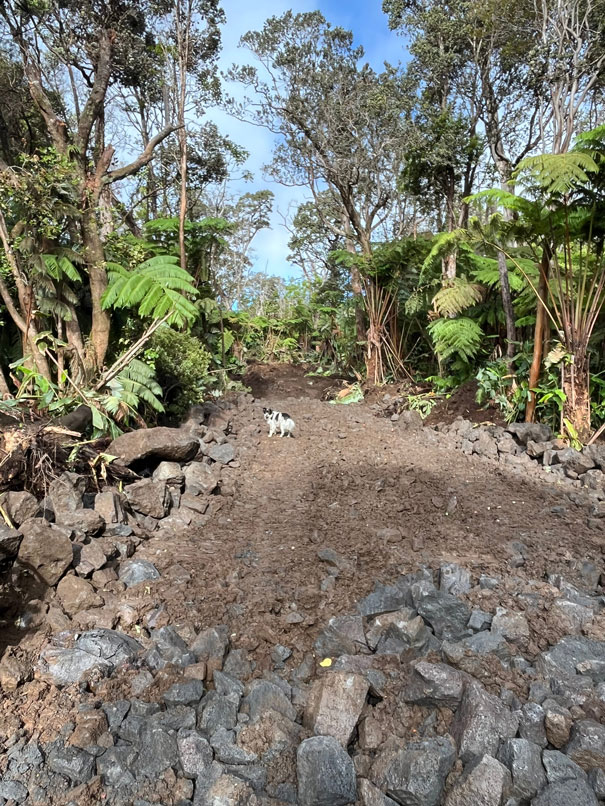
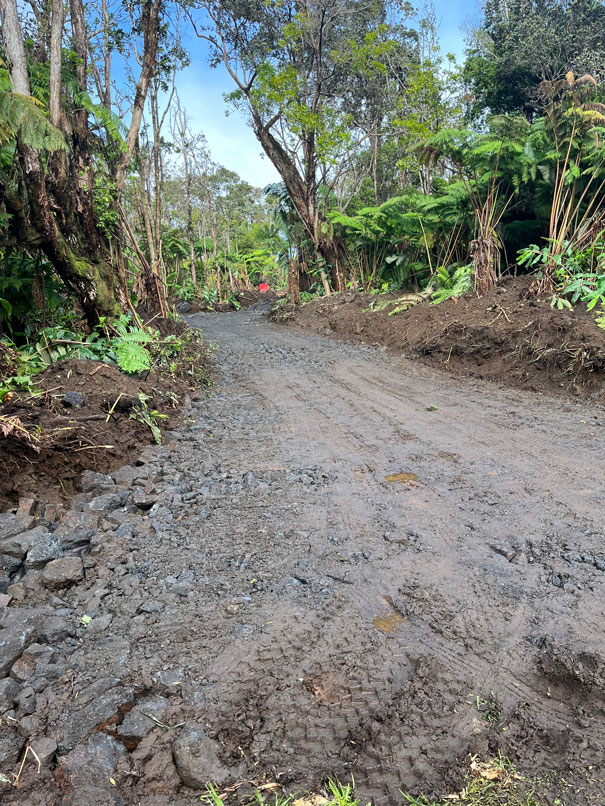
Obos'olm: [O.7.5.26] Sunday, July 5, 2026 1:16 PM
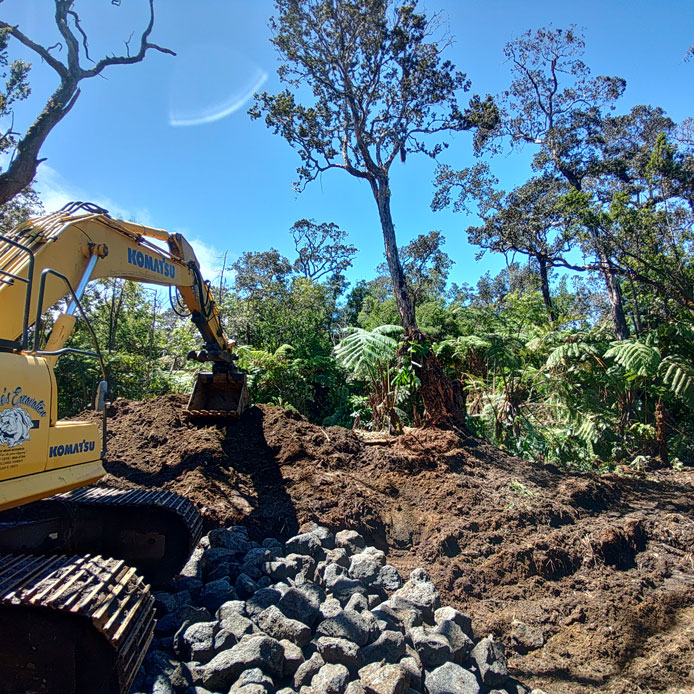
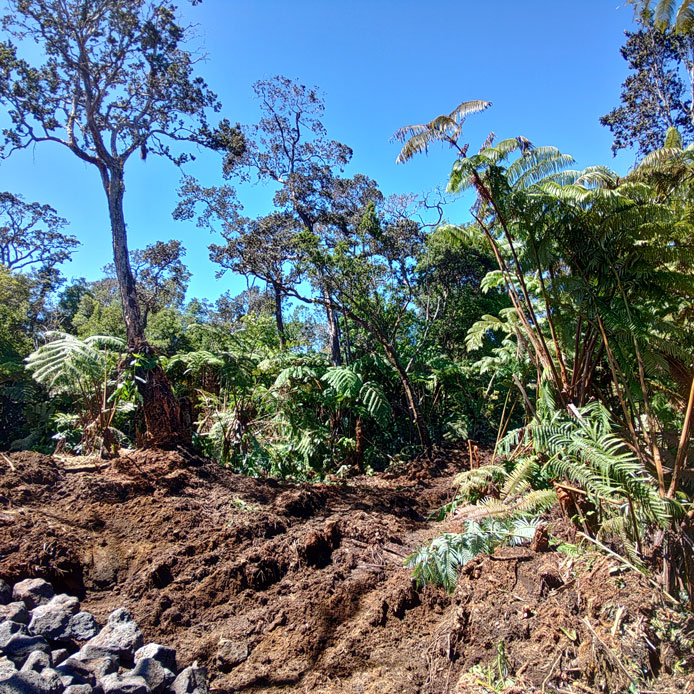
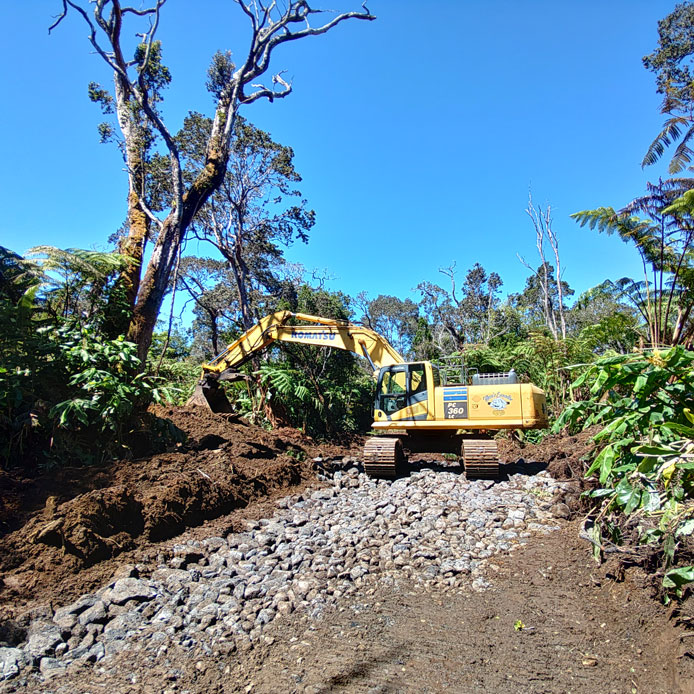
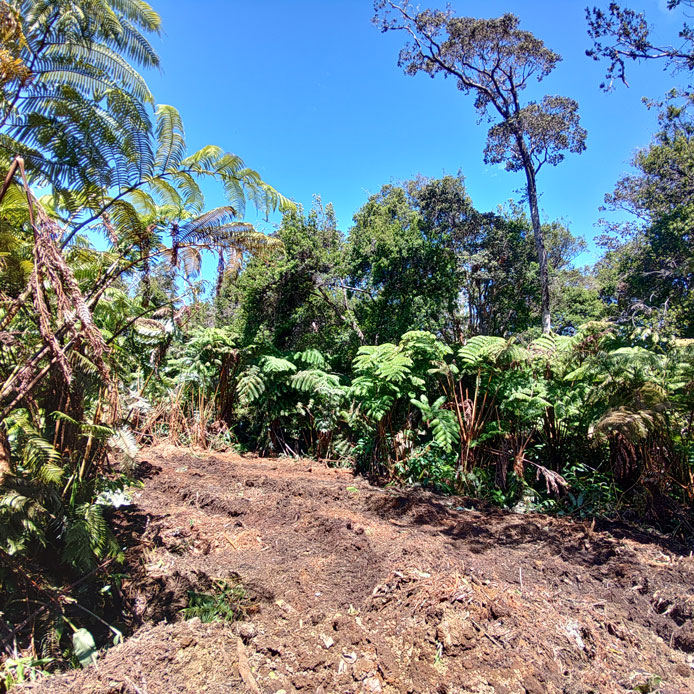
Obos'olm: [O.7.20.26] Monday, July 20, 2026 4:22 PM
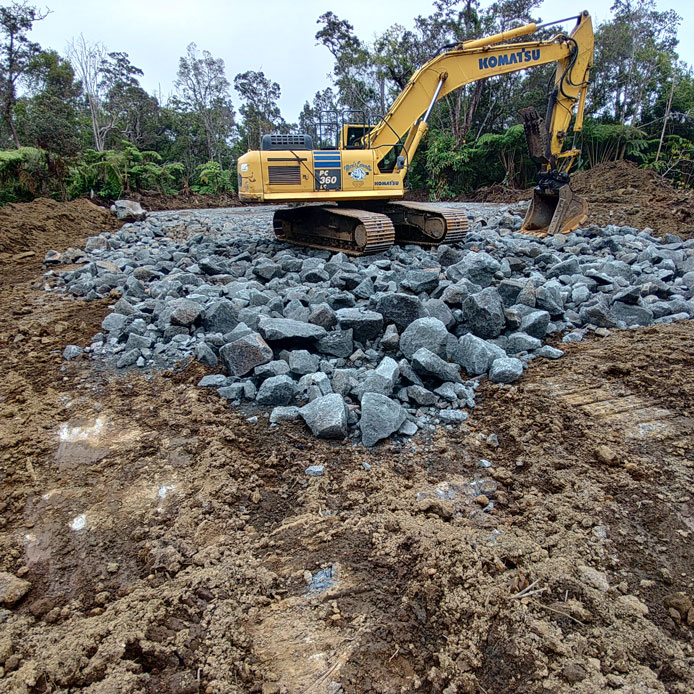
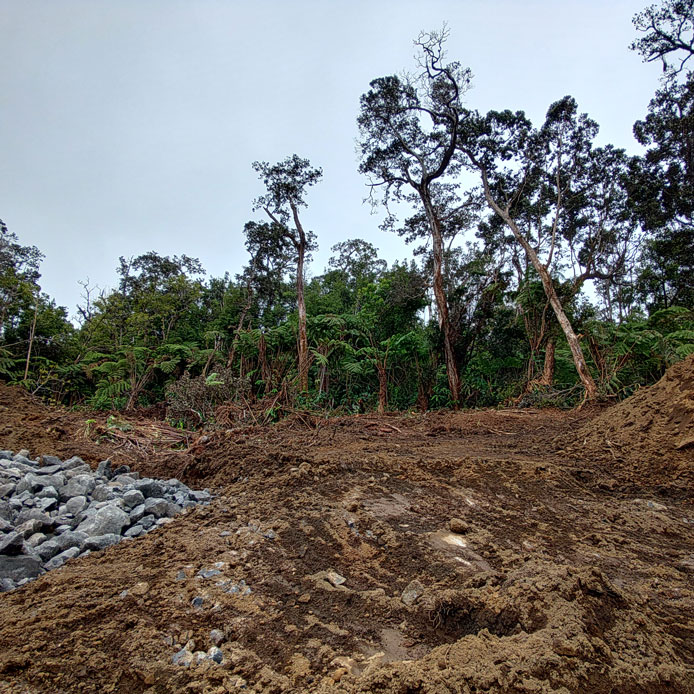
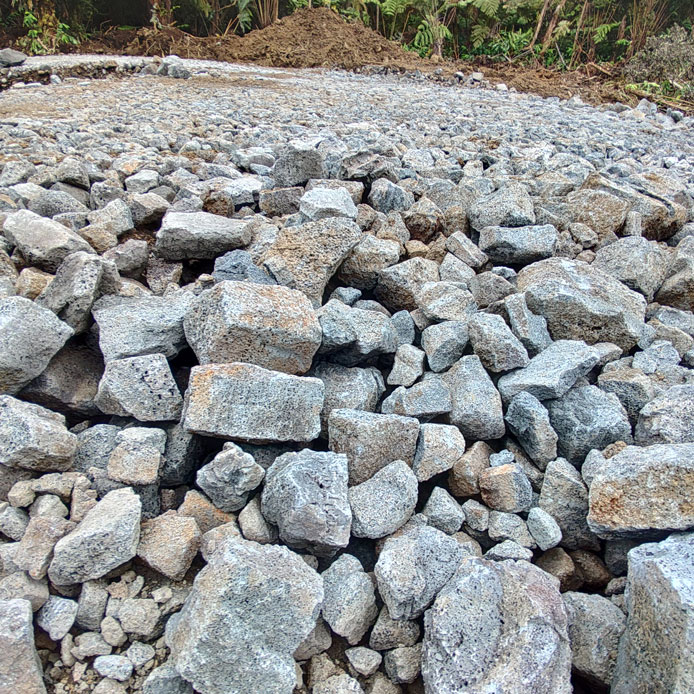
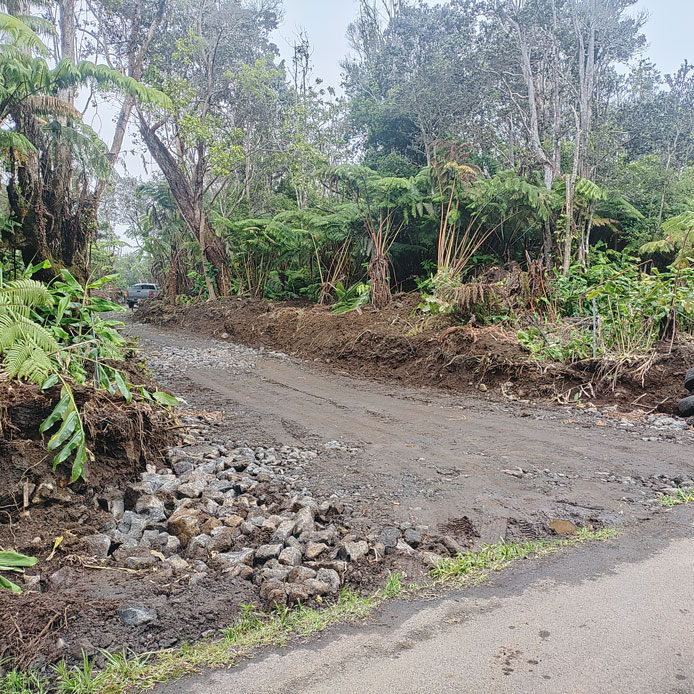
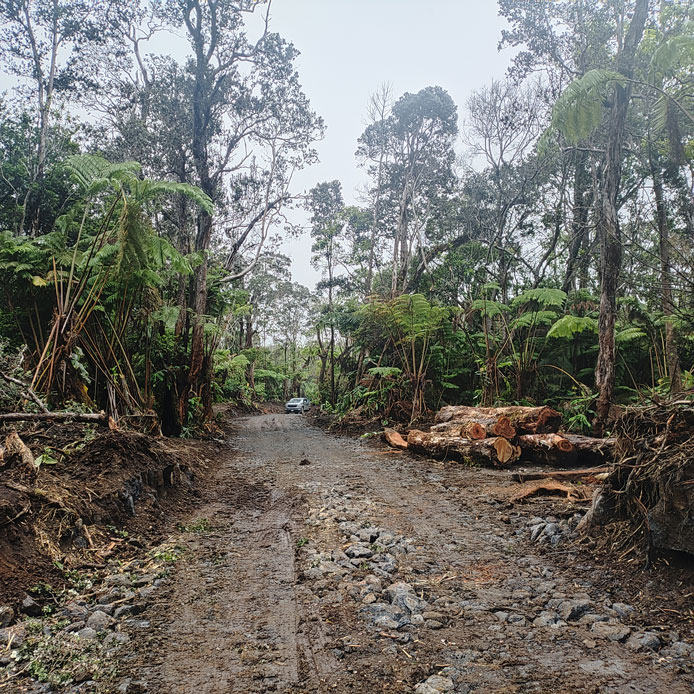
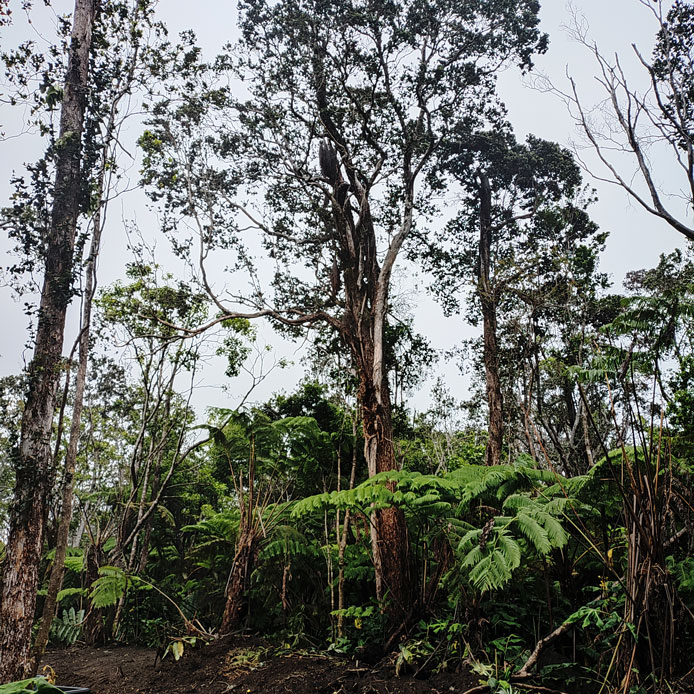
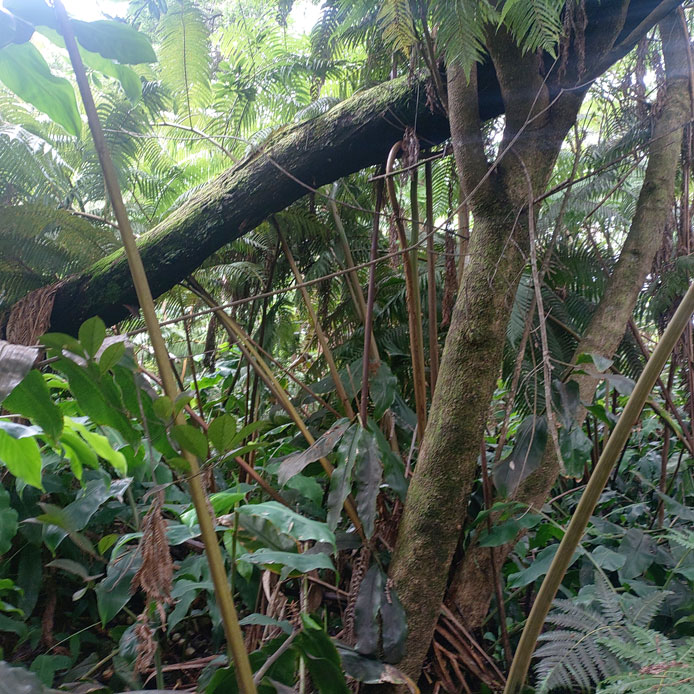
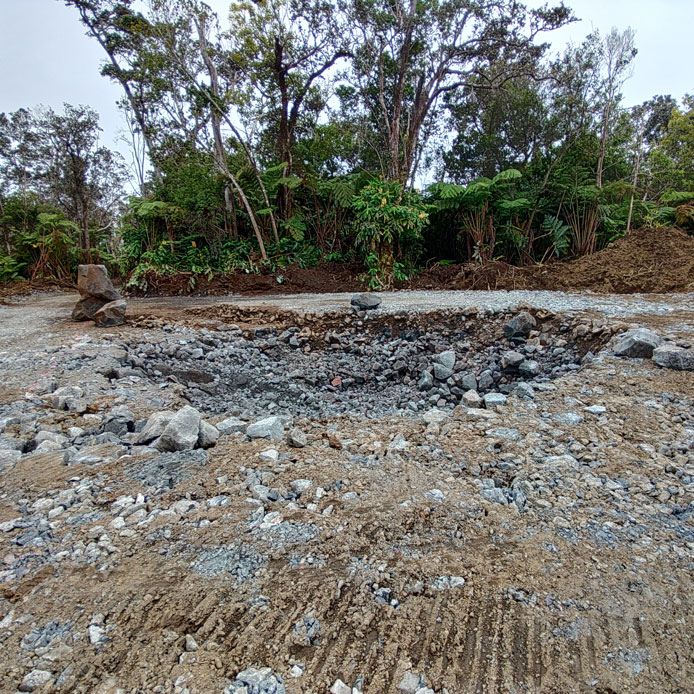
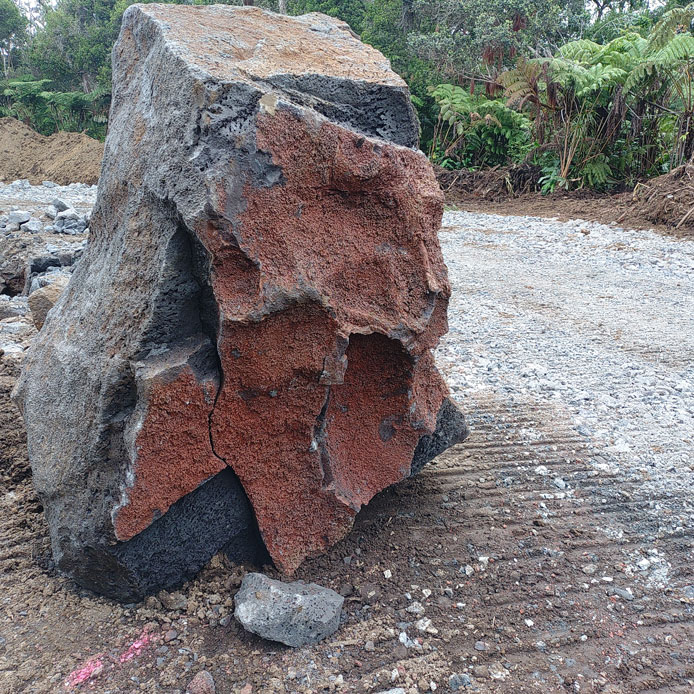
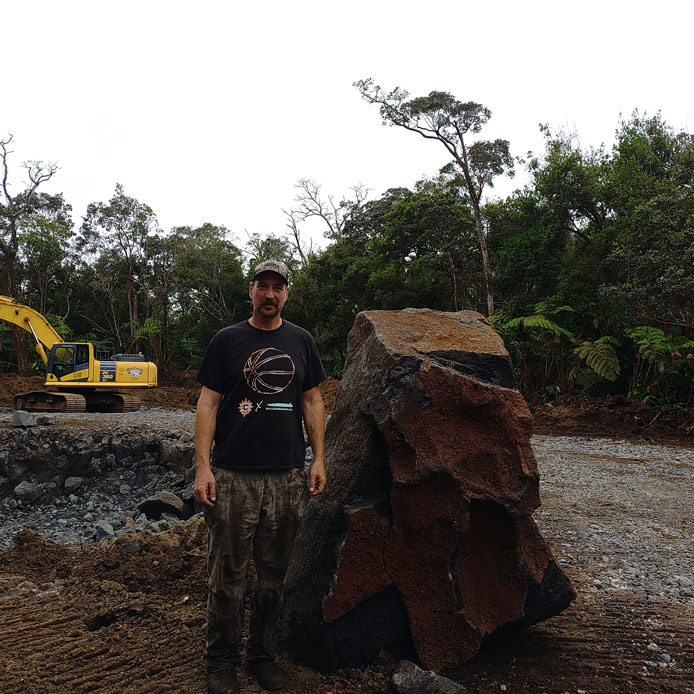
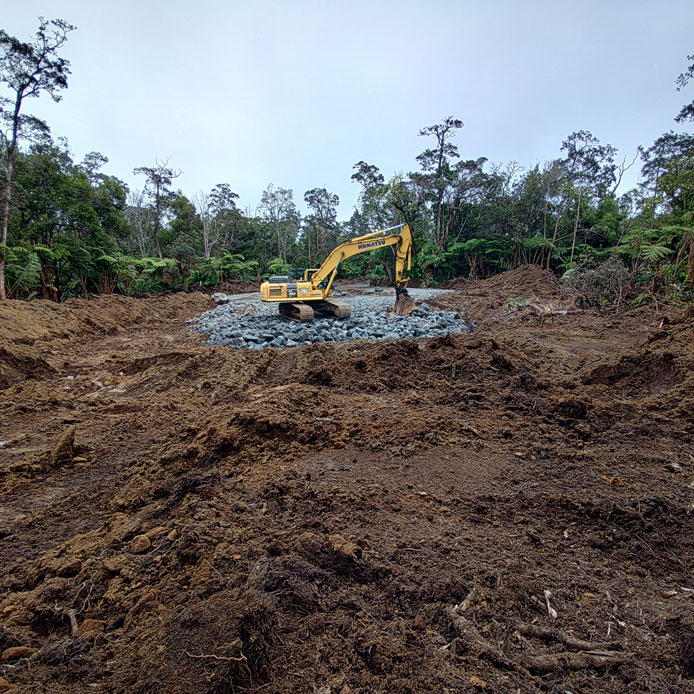
Obos'olm: [O.8.12.26] Wednesday, August 12, 2026 2:02 PM
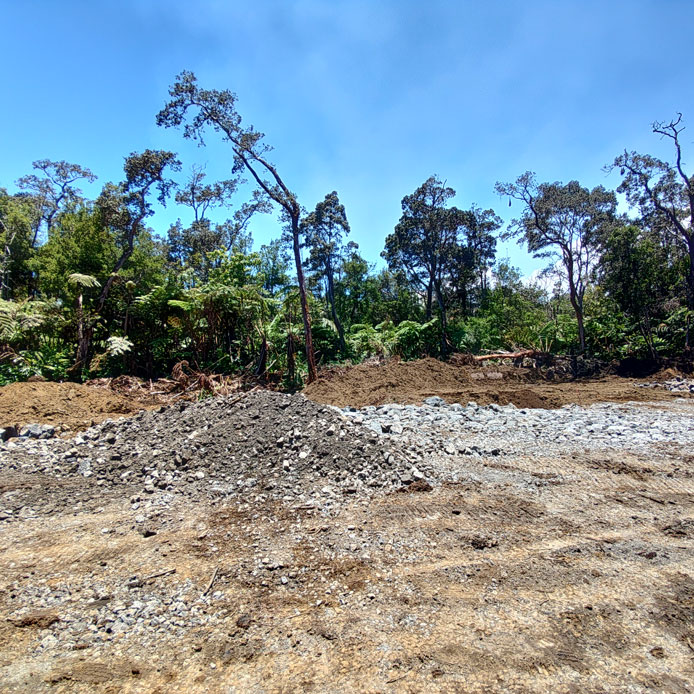
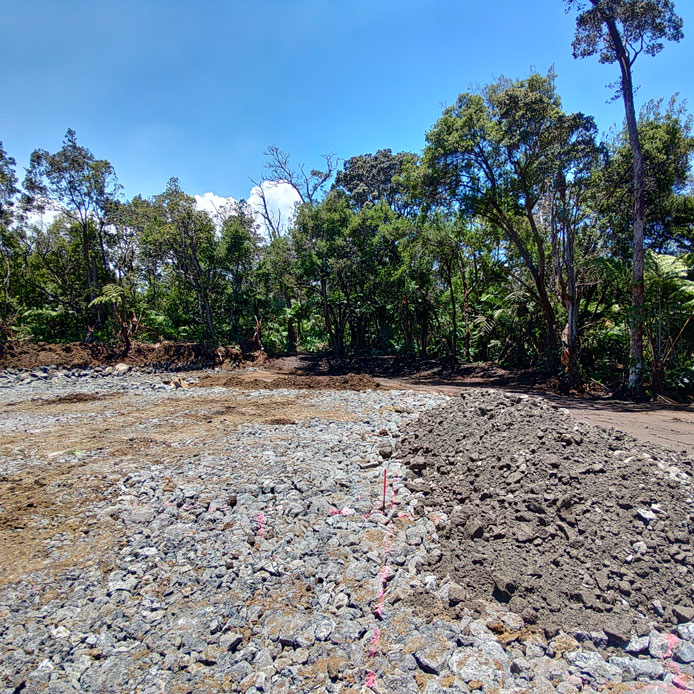
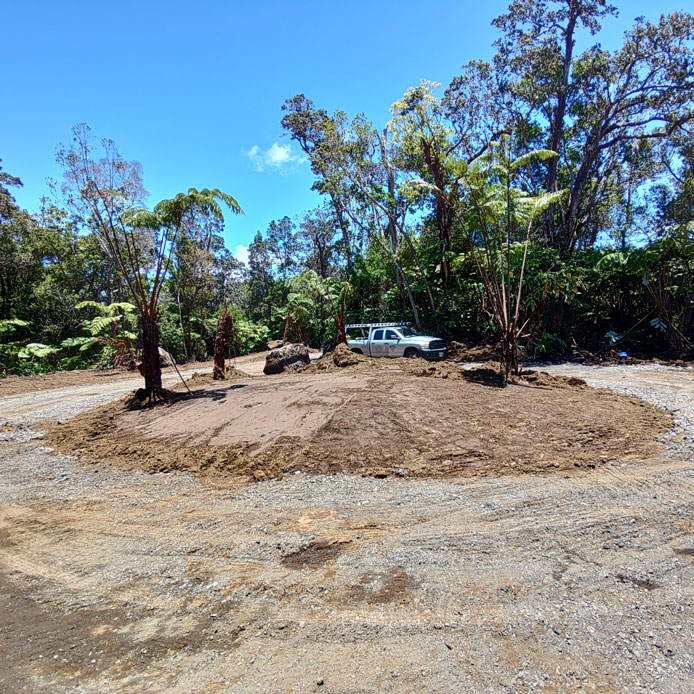
Obos'olm: [O.8.14.26] Friday, August 14, 2026 2:28 PM
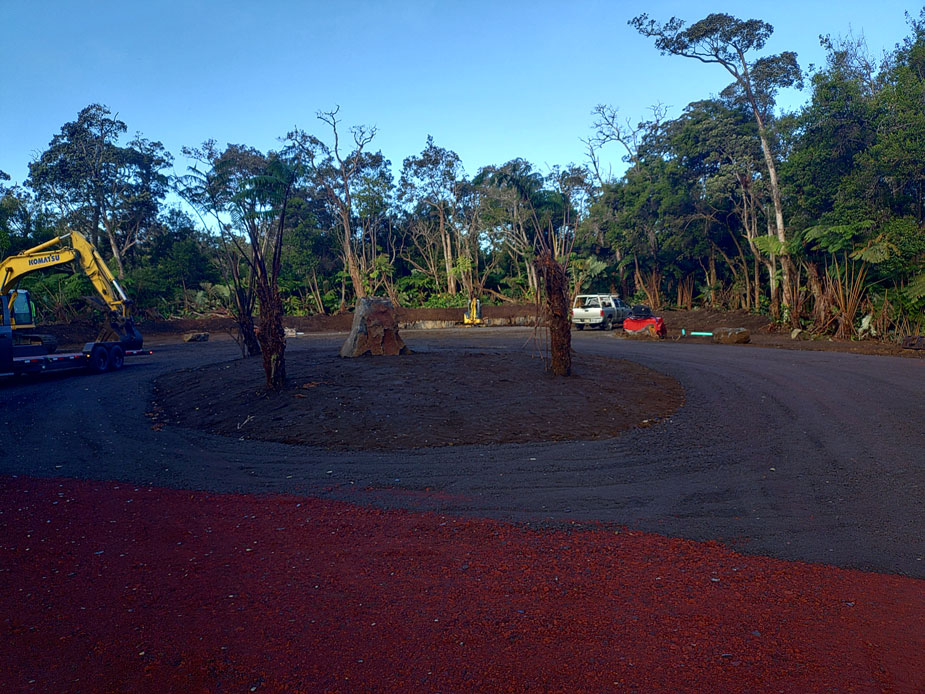
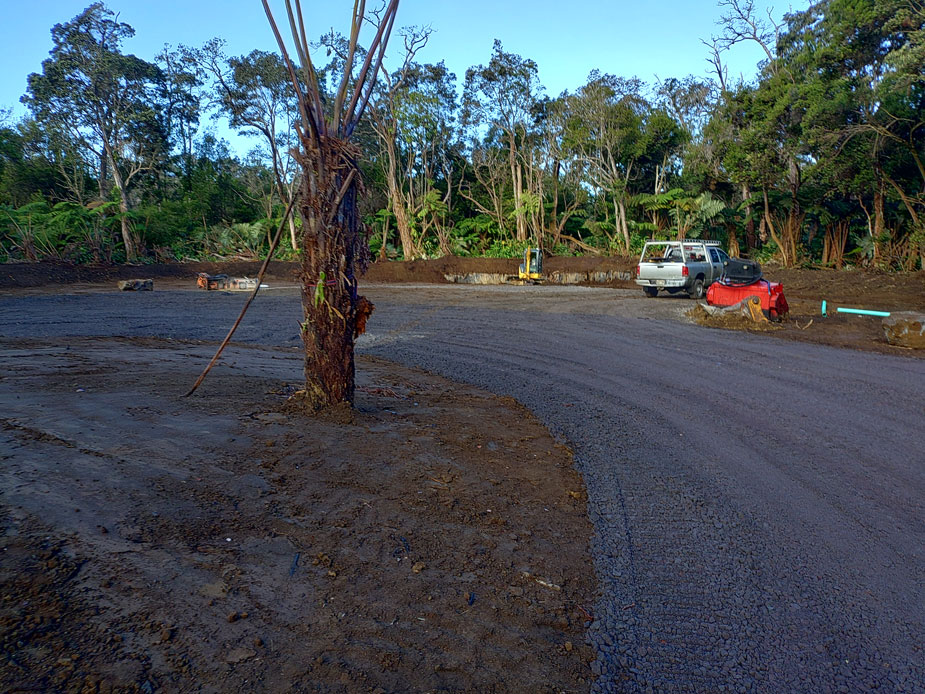
Obos'olm: [O.8.24.26] Monday, August 24, 2026 2:41 PM/p>